
As modern orthodontic solutions evolve, Invisalign has emerged as a popular alternative for children seeking teeth alignment. With its innovative clear aligners, many parents are considering whether it is the right choice for their child's dental needs. This article will delve into the benefits and suitability of Invisalign for children, discuss treatment duration, explore cost considerations, and assess whether this method is safe and comfortable for young patients. Additionally, we will identify the critical criteria for candidacy and provide insights into how this modern orthodontic treatment compares to traditional braces.
Benefits of Invisalign for Children
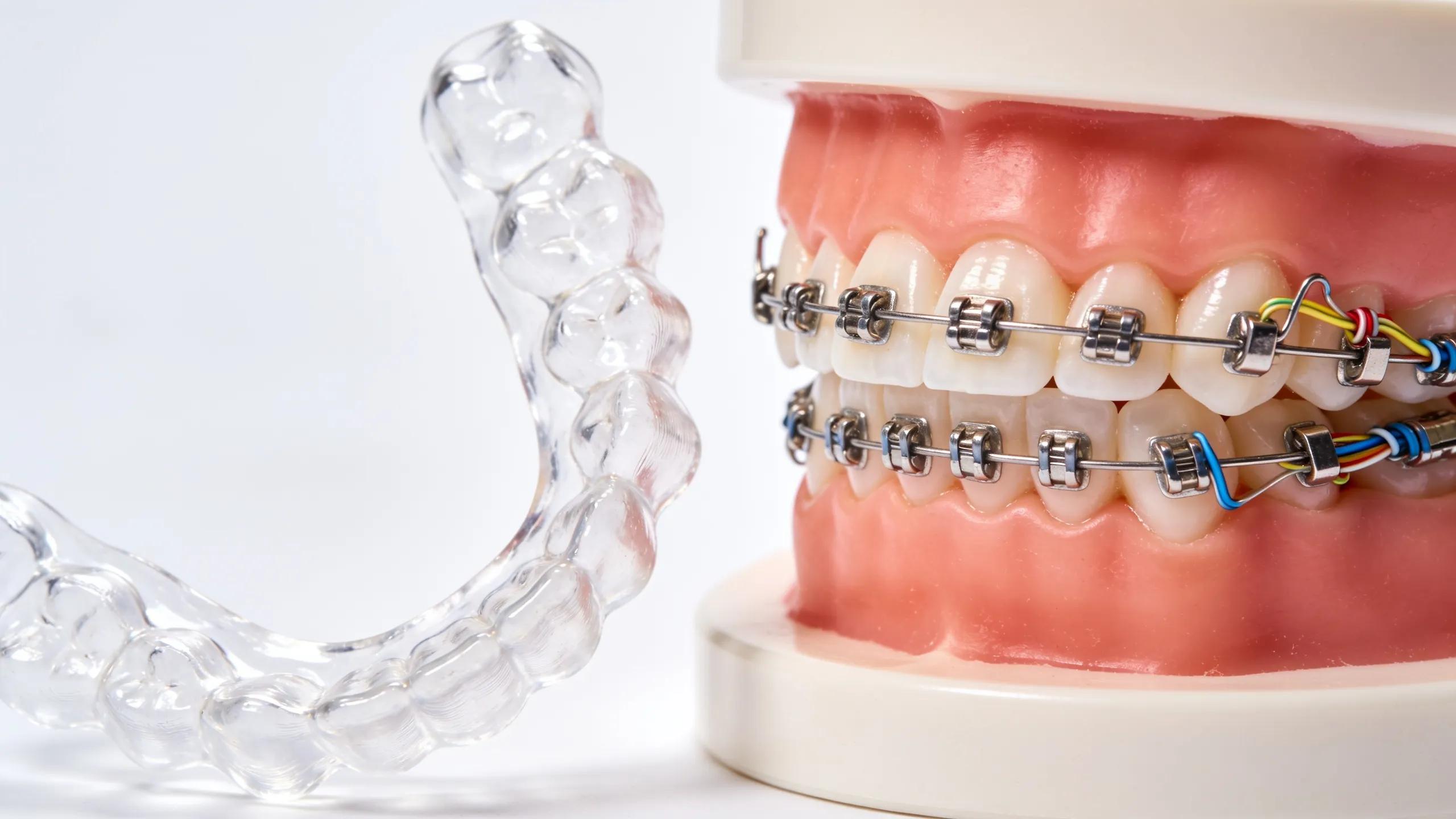
Invisalign offers several distinct advantages for children in need of orthodontic treatment. The clear aligners are especially appealing for younger patients who may be self-conscious about traditional metal braces. Here are some of the key benefits:
Discreet Appearance: Invisalign aligners are transparent, making them less noticeable than metal braces, which can be a confidence booster for adolescents.
Removability: Unlike traditional braces, these aligners can be removed for eating, brushing, and flossing, promoting better oral hygiene and overall dental health.
Increased Comfort: The smooth plastic design of Invisalign aligners is often cited as being more comfortable than the wires and brackets of conventional braces, reducing irritation to gums and cheeks.
For parents interested in this treatment option, consulting an experienced orthodontist like those at Palm Beach Braces can help clarify which procedure is most suitable. This facility specializes in pediatric orthodontics, ensuring that your child receives tailored care.
Suitability Criteria
Determining whether a child is a good candidate for Invisalign involves specific criteria that take into account their age, dental development, and orthodontic needs. Generally, the following factors are considered:
Age Suitability: Invisalign is typically recommended for children aged 6 and above, as this is when most have lost enough primary teeth to begin treatment.
Dental Development: Children need to have a majority of their adult teeth in place to properly use aligners, ensuring effective treatment.
Orthodontic Issues: Specific conditions, such as mild to moderate crowding or spacing issues, are best suited for Invisalign. More severe misalignments may still require traditional braces.
The assessment process by a dental professional can help clarify if Invisalign is a viable option for your child.
Treatment Duration
Invisalign's treatment duration varies based on individual cases, but generally, the process takes between 12 to 18 months. Factors affecting the length of treatment include:
Complexity of Case: More challenging orthodontic issues may take longer to resolve.
Patient Compliance: Children must wear their aligners for 20-22 hours a day to ensure optimal progress.
Adjustments and Check-Ups: Regular visits to an orthodontist are necessary to monitor progress and switch out aligners as needed.
Understanding these factors can help set realistic expectations for parents regarding the time commitment involved with Invisalign treatment.
What Is the Typical Length of Invisalign Therapy for Kids?
For children, the typical length of Invisalign treatment usually spans around 12 to 18 months. However, some cases can be completed in as little as six months, while others may extend up to two years depending on the specific orthodontic challenges. As a general overview, clear aligners may offer a different timeline compared to other options.
How Does Treatment Duration Differ Between Invisalign and Traditional Braces?
Invisalign generally allows for a quicker treatment timeframe compared to traditional braces, which can take anywhere from 18 months to three years. Braces require monthly adjustments and can involve more complex procedures for corrections, which often contribute to longer treatment periods. Compliance with wearing Invisalign aligners plays a crucial role in potentially shortening treatment time.
What Are the Cost Considerations and Affordability of Pediatric Invisalign?
When discussing orthodontic treatment for children, cost is a significant consideration. While the price of Invisalign may vary widely, here are key aspects to keep in mind:
Monthly Cost Estimates: The average cost of Invisalign treatment for children can range from approximately $3,000 to $8,000 depending on the complexity of the case and specific provider pricing.
Comparison with Traditional Braces: Traditional braces generally start around $2,000 and can go up to $7,000, making Invisalign relatively comparable in price for some patients.
Insurance and Financing Options: Many dental insurance plans offer some level of coverage for orthodontic treatments, including Invisalign. Additionally, financing plans may be available through dental practices, allowing for manageable monthly payments.
At Palm Beach Braces, potential discounts and patient-friendly payment plans enhance the affordability of Invisalign treatment, ensuring that more families can access this modern orthodontic solution.
How Does the Invisalign Cost for Kids Compare to Traditional Braces?
Invisalign costs for children can vary but are often similar to traditional braces, typically ranging from $3,000 to $8,000. This comparison is crucial for families considering the best financial option for their child's orthodontic care.
What Financing and Insurance Options Are Available for Pediatric Invisalign?
Many insurance plans contribute toward orthodontic treatment, including Invisalign. Typically, a family can expect coverage that contributes a portion toward the total cost. Palm Beach Braces also provides several financing options, which can make the treatment more accessible to a wider range of families.
Is Invisalign Treatment Safe and Comfortable for Children?
Safety and comfort are paramount when selecting an orthodontic treatment for children. Invisalign aligners are made from FDA-approved materials and have been extensively tested for safety. Here are two key aspects:
Comfort Levels: Most users report that Invisalign aligners are comfortable. The absence of brackets and wires reduces the risk of oral cuts and discomfort compared to traditional braces.
Safety Considerations: Children can wear the aligners safely without the fear of injury commonly associated with metal braces, especially during physical activities.
Ultimately, the use of Invisalign can provide not only a more comfortable but also a safer alternative for young patients navigating orthodontic treatment.
What Are the Common Safety Considerations with Children's Invisalign?
Common safety considerations with Invisalign treatment include ensuring correct usage protocols, such as properly wearing aligners for the recommended time to avoid delays in treatment.
How Does Invisalign Improve Comfort Compared to Traditional Braces for Kids?
Invisalign's design allows for a comfortable fit that minimizes irritation. The aligners are made from smooth plastic material, unlike traditional braces which can have sharp edges that can irritate the gums and cheeks throughout treatment.
Comparison | Comfort Level | Safety Features | Treatment Duration |
|---|---|---|---|
Invisalign | High | Clear aligners reduce injury risk | ~12-18 months |
Traditional Braces | Moderate | Metal brackets may cause cuts | 18 months - 3 years |
This pricing and comfort comparison illustrates the overall benefits Invisalign may offer over traditional orthodontic methods for children and their families.